New Member
Welcome to Forum
Whether you're exploring Forum for the first time or preparing for your first meeting, start here.
📖 The Member Path — three stages, from your first meeting to going deeper →
Confidentiality is the bedrock — nothing, no one, never. The 5% is the practice — sharing what you wouldn't share anywhere else. Experience sharing is the discipline — offering your own story instead of advice. And the Johari Window is the map underneath it all, explaining why this combination works.
Confidentiality
Nothing, no one, never. The agreement that makes everything else possible.
Click to explore →
The 5%
Share what you wouldn't share anywhere else. The practice that separates forum from every other group.
Click to explore →
Experience Sharing
What's really happening when we want to help — and what to do instead of giving advice.
Click to explore →
The Johari Window
The map underneath the 5%. Four quadrants that explain why forum works.
Click to explore →
Maps of Depth
Four interactive maps that carry the Johari Window further: what a presenter wants back, how deep a share can go, and how a forum changes over its first six years.
Click to explore →
The soul gives forum its depth. The structure gives it durability. Attendance as commitment, a constitution that the group writes together, clearly defined roles, and an annual retreat that goes beyond the monthly rhythm.
Commitment & Attendance
It's not a rule. It's the container that makes depth possible.
Click to explore →
Attendance & Scheduling Protocols
The working mechanics: a fixed monthly date, a backup date for every meeting, and absences that go to the moderator — not the group thread.
Click to explore →
The Constitution
The agreement your group makes with itself. Purpose, confidentiality, commitment, principles, governance.
Click to explore →
Forum Roles
The roles that keep a meeting running: moderator, presenter, coach, timer, and more.
Click to explore →
The Annual Retreat
Once a year, the group goes deeper. A day or weekend away from the monthly rhythm to strengthen trust and do the work that doesn't fit in four hours.
Click to explore →
For Moderators
Inside the Meeting
The three articles every moderator should read, plus guides and tools for running your meetings.
🗓 The Moderator Path — three stages, from setting up to year three →
Harvard Business Review · May 2022
How to Get the Most out of Peer Support Groups
By Boris Groysberg and Robert Russman Halperin. The definitive overview of peer forum benefits, best practices, and common challenges.
New Member Resources
Getting Started
Your orientation guide and the worksheets you'll use at every meeting.
For Members · 20 pages
Update and Presentation Prep Pack
Five update worksheets, the deep dive preparation guide and both presentation formats, seven emotion wheels, and the Hesse Partners five core emotions grid. Everything you need to print before your meetings.
Prefer to do it on screen? The Emotimatic is an interactive companion to those emotion wheels — describe what's happening and it helps you pin down the word for it. The Five Core Emotions grid is online too.
Moderator Resources
Your Toolkit
Guides, templates, and tools for running meetings that matter.
For Moderators
The Moderator’s Guide
Running meetings, coaching members, reading group dynamics, and making room for what matters.
Read the guide →
Debrief Guide · Meeting Pulse
Reading Your Pulse Report
How to read a Meeting Pulse report: why the spread tells you more than the average, which number is worth bringing to the forum, and what it means when written answers are held.
Read the guide →
For Moderators · 5 pages
Moderator Field Kit
Quick reference for running meetings, standard and short agenda templates, and a side-by-side comparison of all five update formats.
Forum Library
Go Deeper
Exercises, assessments, books, card decks, and an AI assistant trained on forum best practices.
Exercises
A Library of Forum Exercises
Structured activities organized by purpose — trust-building, depth, conflict, and celebration.
Assessments
Know Yourself Better
Curated tools that give members a shared language for their inner lives. Take them and bring your results.
Assessment
Enneagram
9 types — core fears, desires, and the strategies we use to survive
Forum Connection
The Enneagram explains why people react the way they do under stress. A Type 8 pushing back isn't being difficult — they're protecting. A Type 9 going quiet isn't checked out — they're preserving harmony. This reframe transforms how members hear each other.
Take it: enneagraminstitute.com (RHETI)
Assessment
DISC
4 behavioral styles — how you act, not who you are
Forum Connection
DISC is fast and actionable. Dominance types drive toward resolution. Influence types keep it light. Steadiness types absorb tension. Conscientious types need more data. Knowing the room's DISC profile helps a moderator calibrate pace and depth.
Take it: 123test.com
Assessment
CliftonStrengths
Gallup — 34 themes, your top 5, what you do naturally well
Forum Connection
Strengths become liabilities in group settings. Achiever drives but can't slow down. Empathy absorbs but can lose itself. Command leads but can crowd the room. Forum is the place to see your strengths in action — and notice when they're working against you.
Take it: gallup.com/cliftonstrengths
Assessment
Saboteur Assessment
Shirzad Chamine / Positive Intelligence — the inner voices that undermine you
Forum Connection
The Judge, the Stickler, the Avoider — Chamine's saboteurs are immediately recognizable in forum presentations. When someone is stuck, there's usually a saboteur running the show. Naming it out loud is often the unlock.
Take it: positiveintelligence.com
Assessment
Myers-Briggs
16 types — how you take in information and make decisions
Forum Connection
Introverts need processing time before they speak — build it in. Feeling types need relational safety before they'll go deep. Knowing the group's type distribution helps a moderator design meetings that work for everyone, not just the loudest people in the room.
Take it: 16personalities.com
Assessment
Attachment Style
Secure, anxious, avoidant, disorganized — how you connect under pressure
Forum Connection
Attachment patterns show up every meeting. Anxious members over-share seeking reassurance. Avoidant members deflect with humor or stay abstract. Understanding your own pattern changes how you hear feedback and how you offer it. Forum is one of the few places these patterns become visible in real time.
Take it: attachmentproject.com
Bookshelf
The Forum Bookshelf
Books, frameworks, and resources that enrich the forum experience — with notes on what's useful in the room.
A book can do three things for you here. It can give you words for what's happening inside you — people with finer-grained language for their inner life turn out to navigate it differently. It can show you your own pattern in someone else's story, at a distance where you can finally look at it instead of through it. And it can prove that your private experience has been had before, described precisely — the same discovery forums are built on. They work best taken one at a time: chosen for a question you're actually living, read slowly enough to argue with, and brought into the room — what you noticed, not what you learned. Insight gives you something to experiment with.
As for why these particular books: every one was put forward by someone in the forum community. This isn't a best-of leadership list, and it isn't trying to be complete. Some of these books are about the room itself — saying the hard thing, staying present when someone else does, what makes a group safe enough for the truth. Some are about what members carry in: the transition years, the patterns that follow you from relationship to relationship, the question of what all the achievement was for. And a book turns out to be one of the easiest ways to connect — two members who've read the same thing have a shared language before the conversation starts. So the shelf grows the way forum works: one person's experience, offered to the rest. If a book has mattered to you, add it — tell your moderator or send it our way.
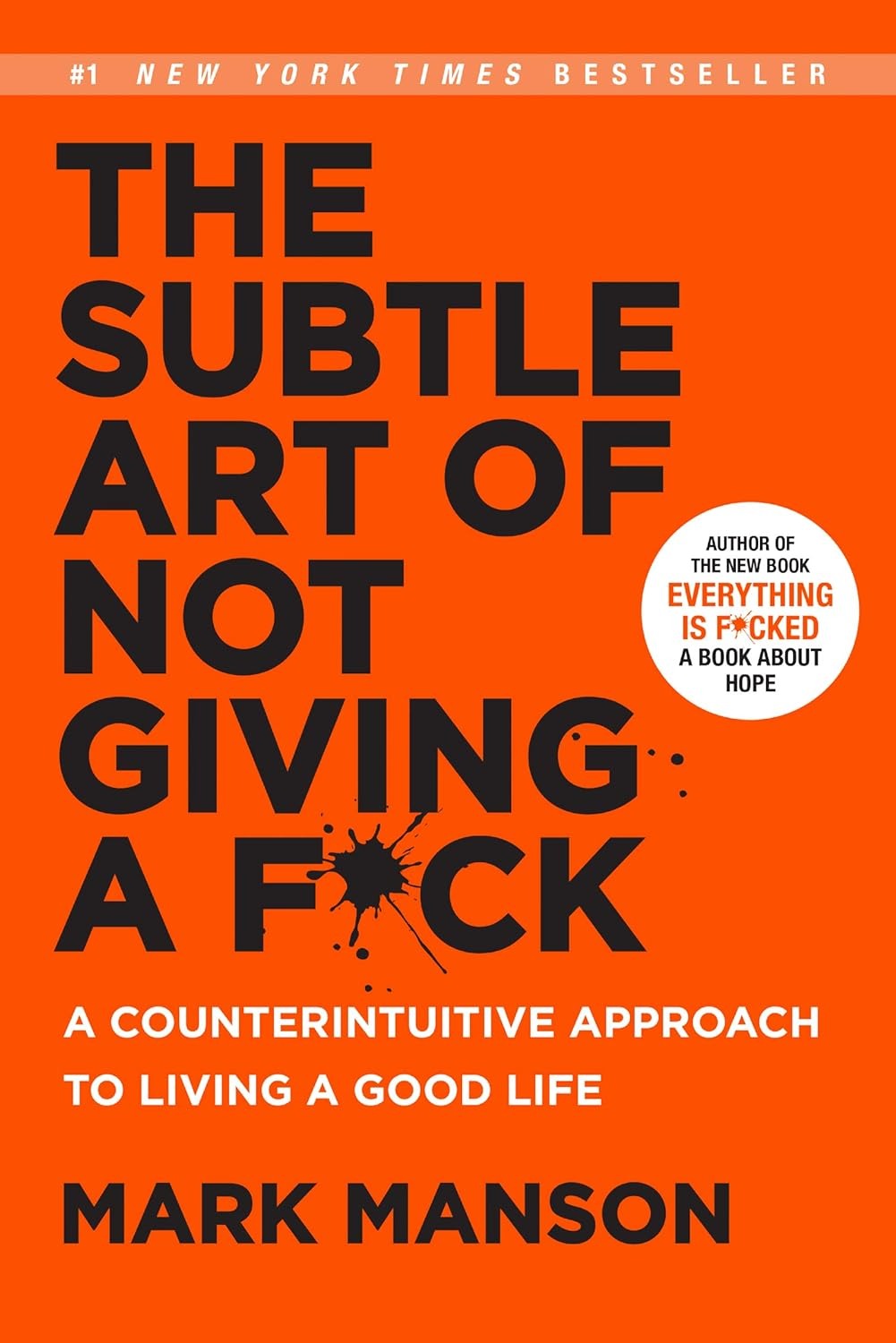
The Subtle Art of Not Giving a F*ck
How to stop chasing approval and focus on what actually matters in your life.
Forum Connection
Manson's Onion of Self-Awareness maps what forums do. Layer one: what you feel. Layer two: why. Layer three: questioning your own values. The depth ladder in one model.
Exercise: "Name the feeling, then why, then the value underneath."
↻ flip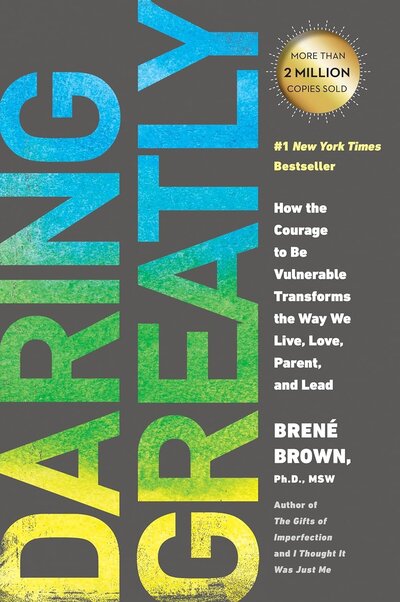
Daring Greatly
Why vulnerability is the engine of trust — and the risk most people avoid.
Forum Connection
Brown's research on vulnerability is the scientific backbone of forum work. Her shame resilience framework gives moderators language for the hard moments when someone pulls back.
Exercise: Vulnerability Spectrum — place your share on a scale from safe to edge.
↻ flip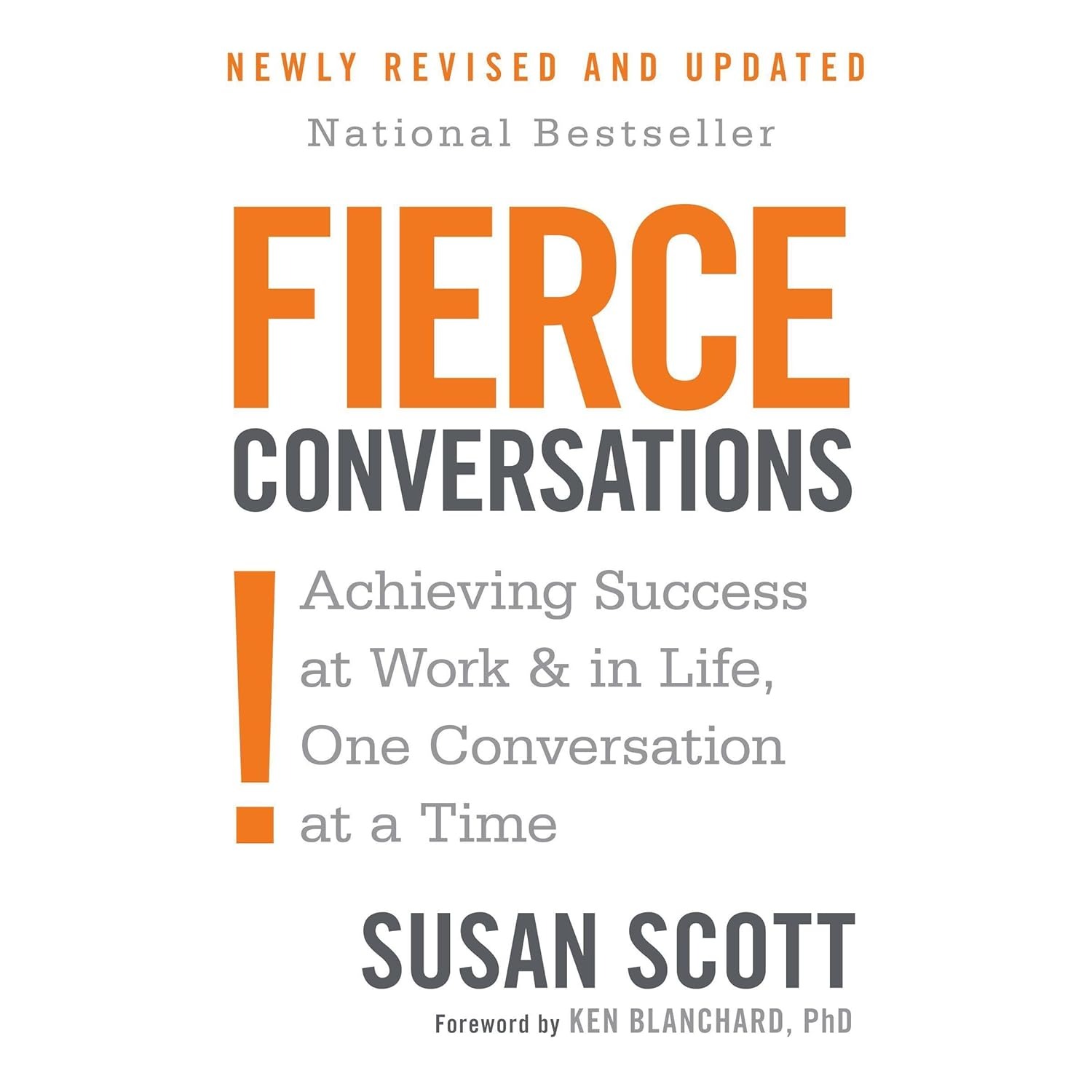
Fierce Conversations
How to say the hard truth without destroying the relationship.
Forum Connection
The conversation IS the relationship. Scott's Mineral Rights model is the best framework for going deeper in a presentation. Seven steps for drilling down to what matters.
Exercise: Beach Ball — "What stripe are you seeing that nobody has named?"
↻ flip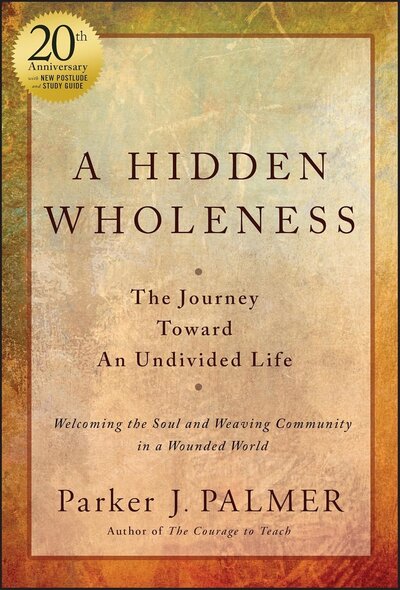
A Hidden Wholeness
How to create a space where people can hear their own inner voice.
Forum Connection
Palmer's Circles of Trust are the closest cousin to HBS forums from a different tradition. No fixing, no advising. Honest open questions only. The Third Thing as shared material.
Exercise: Respond only with questions that have no hidden agenda.
↻ flip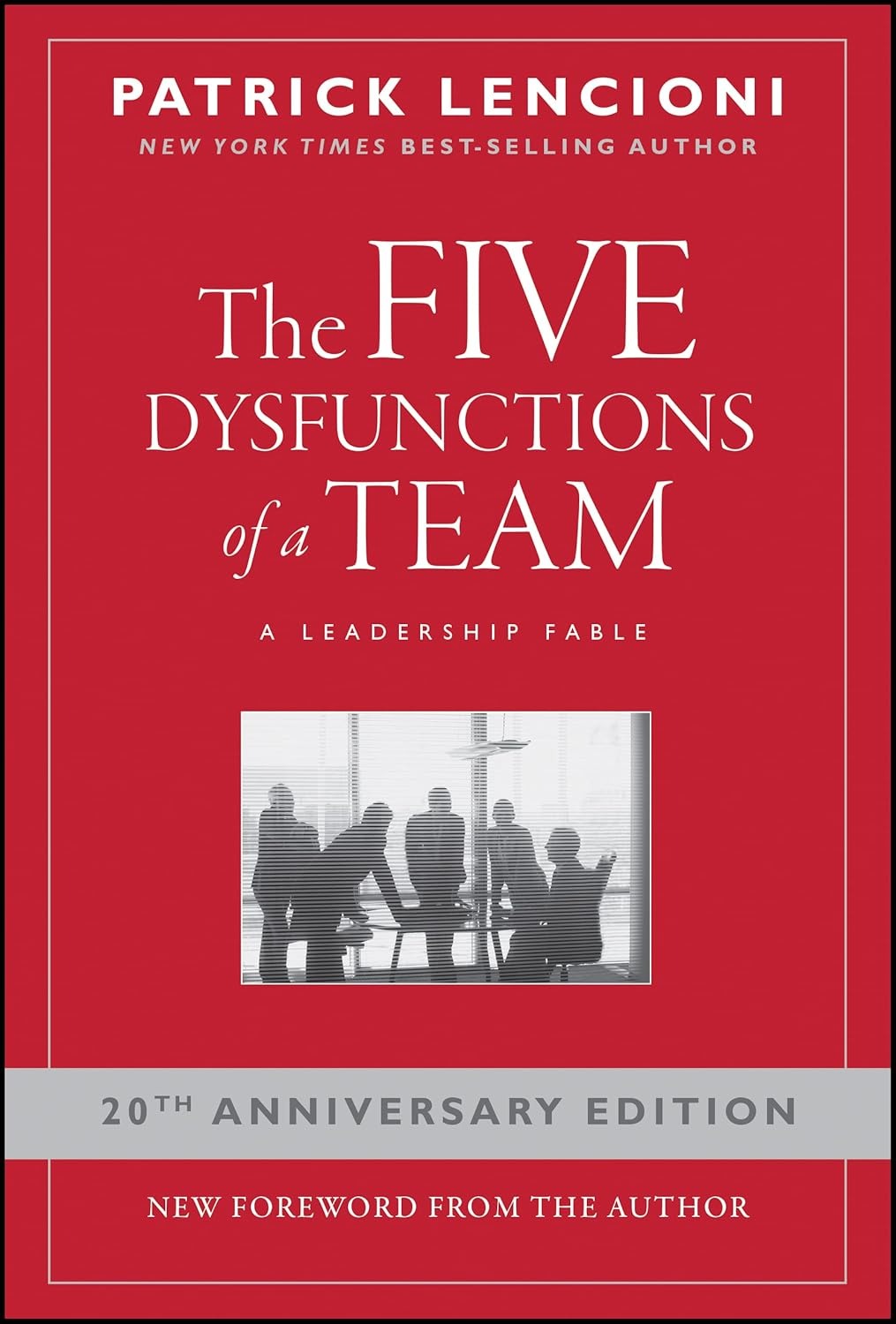
Five Dysfunctions of a Team
Trust, conflict, commitment, accountability, results — in that order.
The Five Dysfunctions
1. Absence of Trust — unwilling to be vulnerable
2. Fear of Conflict — artificial harmony over honest debate
3. Lack of Commitment — ambiguity, no buy-in
4. Avoidance of Accountability — low standards go unchallenged
5. Inattention to Results — ego and status over collective outcomes
Vulnerability-based trust maps directly onto forum. Personal Histories — where you grew up, siblings, biggest challenge — is Lencioni's fastest trust-builder.
Exercise: Personal Histories — best in meeting 2 or 3.
↻ flip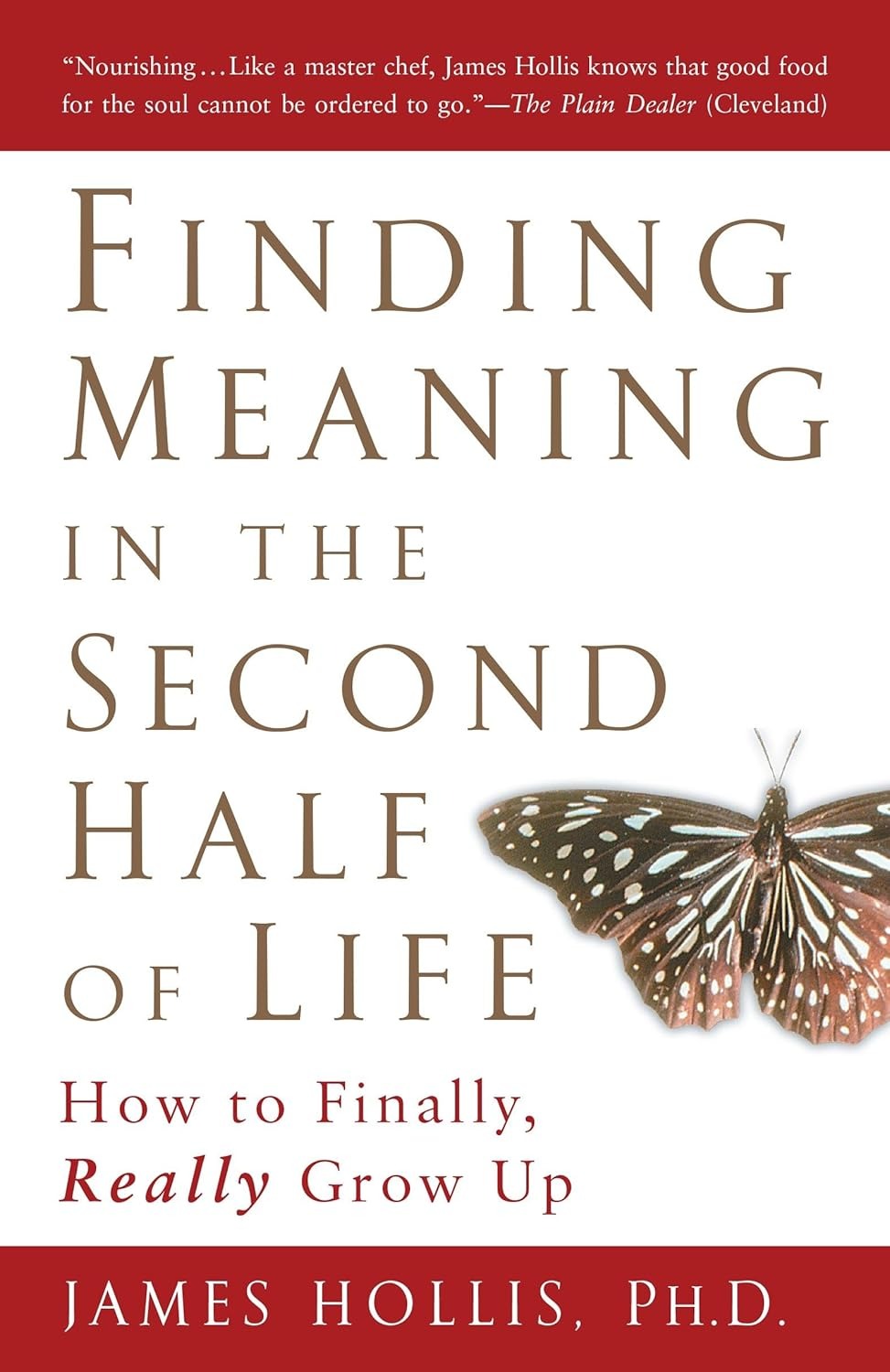
Finding Meaning in the Second Half of Life
For when you've achieved what you set out to achieve and the question becomes: now what?
Forum Connection
Hollis brings Jungian depth to midlife questions. Are you living the life your soul intended, or the one your adaptations created? One of the richest books for year 4 and beyond.
Prompt: "What has life been asking of you that you've been avoiding?"
↻ flip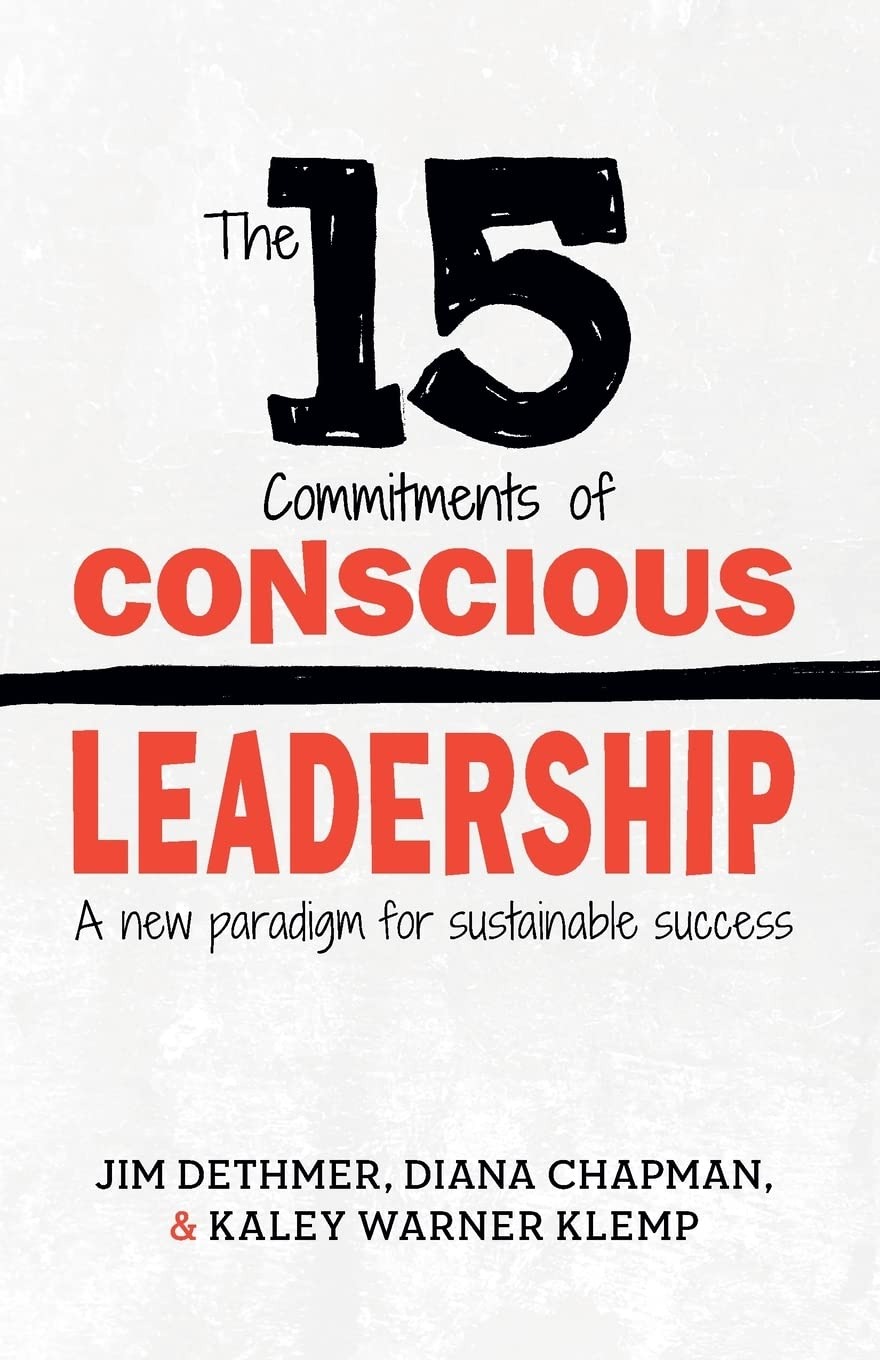
The 15 Commitments of Conscious Leadership
Taking responsibility, feeling all feelings, speaking candidly, eliminating gossip — 15 commitments that give the whole group a shared language.
The 15 Commitments
1. Take radical responsibility
2. Learn through curiosity
3. Feel all feelings
4. Speak candidly
5. Eliminate gossip
6. Practice integrity
7. Generate appreciation
8. Excel in your zone of genius
9. Live a life of play and rest
10. Explore the opposite
11. Source approval, control, and security internally
12. Have enough of everything
13. Experience the world as an ally
14. Create win-for-all solutions
15. Be the resolution
Above/Below the Line, Four Core Emotions, Drama Triangle — the CLG frameworks that show up most in forum work all come from here.
↻ flip
True North
Crucibles — the 2-3 defining experiences that shaped who you are. One of the most powerful presentation formats.
Forum Connection
George's argument: leadership is knowing your story, not mastering strategy. Crucibles — the defining experiences that shaped you — are one of the most powerful presentation formats in any forum.
Exercise: Crucibles — each member presents 2–3 experiences that fundamentally changed them. "Who are your five truth-tellers?"
↻ flip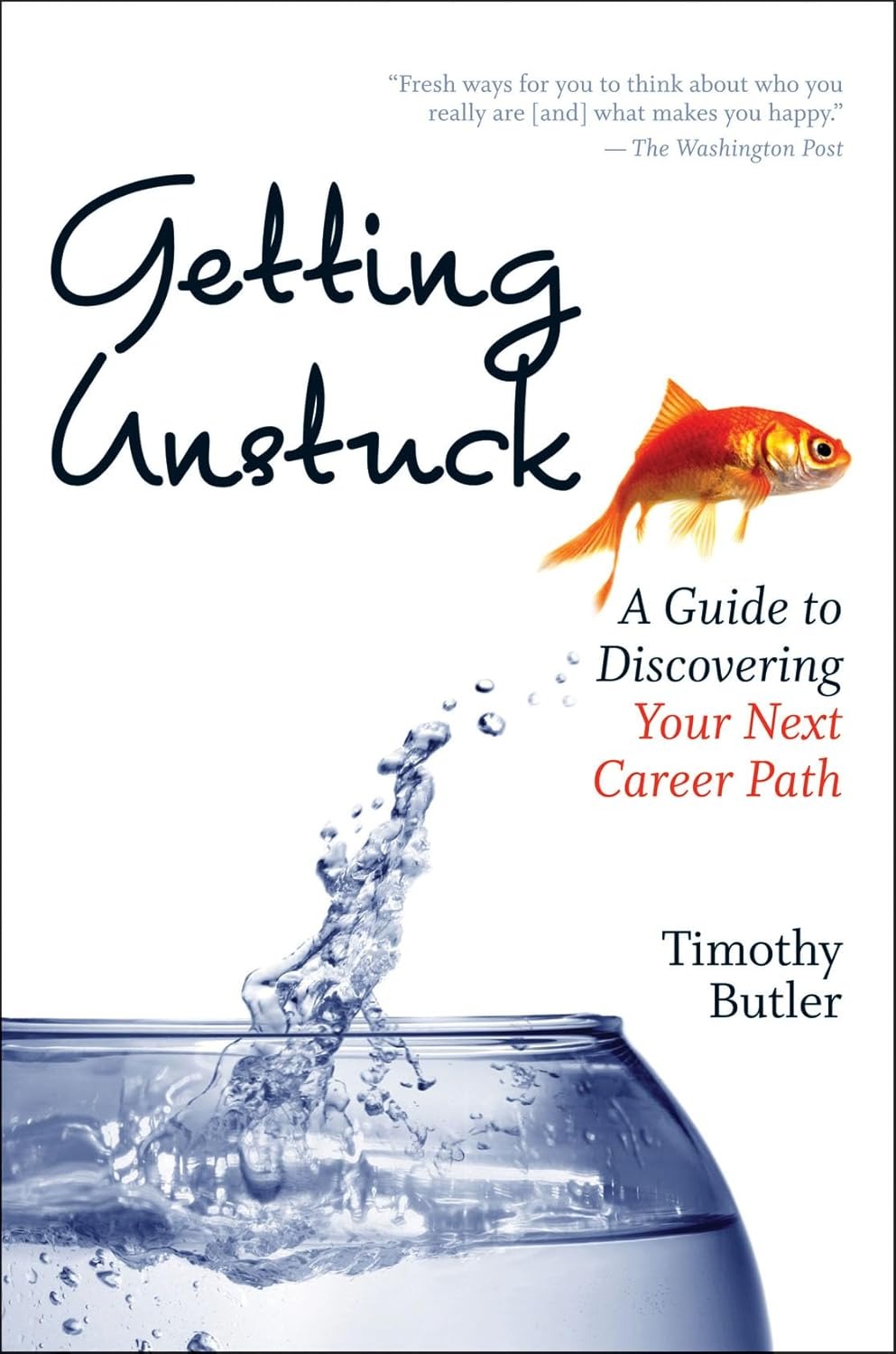
Getting Unstuck
When you're stuck and can't name why. Impasse as the starting point, not the problem.
Forum Connection
Butler writes about impasse — the place where people get stuck and can't move. His concept of Deeply Embedded Life Interests helps members see what they're actually drawn to, beneath the career they built. Forum is one of the few places where stuckness can be named without shame.
Exercise: "Where in your life do you feel most stuck right now? What would it mean to stay there?"
↻ flip
From Strength to Strength
The shift from fluid to crystallized intelligence — and why the second half of your career requires a different playbook.
Forum Connection
Brooks explains why high achievers hit a wall in midlife — the shift from fluid to crystallized intelligence. It names a great deal of what members carry into forum in their 40s and beyond. The Striver's Curse names what many members are living but haven't articulated.
Exercise: "Where are you holding onto a version of success that no longer fits?" Four Pillars Audit: faith, family, friendship, meaningful work.
↻ flip
Immunity to Change
Why you keep repeating the behavior you said you'd stop — and the hidden commitment that makes change so hard.
Forum Connection
Why smart people don't change: hidden commitments that silently compete with stated goals. The Immunity Map surfaces the assumptions keeping someone stuck. Forum is one of the few places where members can map their hidden commitments out loud and have them tested by peers.
Exercise: Immunity Map — name the goal, the behaviors working against it, the hidden commitment, and the big assumption underneath.
↻ flip
The Fearless Organization
The scientific case for psychological safety. Her finding: the best teams report more errors, not fewer.
Forum Connection
Edmondson's research on psychological safety is the scientific case for why forum structure works. When people believe they won't be judged for speaking honestly, they bring what's real. Her finding: the best teams report more errors, not fewer. Forums where members share failures openly follow the same pattern.
Exercise: "What's the thing you almost didn't say tonight?" Use at the close of a meeting to surface what was held back.
↻ flip
How Will You Measure Your Life?
The plans you made vs. the life that actually unfolded. Which one are you living?
Forum Connection
Christensen applied his disruption theories to the most personal question: what makes a life meaningful? His distinction between deliberate and emergent strategy — the plans you make vs. the life that actually unfolds — gives members language for the gap between where they thought they'd be and where they are.
Exercise: "What was your deliberate strategy for your life? What actually emerged? Which one are you living?"
↻ flip
Leadership on the Line
Technical problems have clear solutions. Adaptive challenges require you to change. Most of what you bring to forum is adaptive.
Forum Connection
Heifetz and Linsky distinguish technical problems (clear solutions, existing expertise) from adaptive challenges (require people to change). Most of what forum members bring is adaptive — no expert can solve it for them. "Getting on the balcony" — stepping back to see the pattern while you're in it — is exactly what a moderator does when the room gets stuck.
Exercise: "Is this a technical problem or an adaptive challenge?" Use after a presentation to help the group see why advice won't work. "What would you have to give up to move forward?"
↻ flip
Man's Search for Meaning
Meaning isn't found, it's made — even in the worst circumstances imaginable. The book members cite decades later.
Forum Connection
Frankl came out of the camps arguing that meaning is not found but made, in whatever circumstances you are handed. Logotherapy rests on one claim: the last human freedom is choosing your response. Members carrying a loss, a diagnosis, or a business failure reach for this book because it moves the question from why me to what now.
Prompt: "What is life asking of you right now that you would rather it did not?"
↻ flip
Atlas of the Heart
Eighty-seven emotions, precisely named. A vocabulary for check-ins that gets past fine.
Forum Connection
Brown maps eighty-seven emotions and shows how few of them most people can name. Her research finds that most adults run everything through three — happy, sad, angry — which is why so many check-ins stall at fine. Precision is what makes a check-in useful: fine closes a conversation, a named feeling opens one.
Exercise: Run a check-in where nobody may use happy, sad, angry, fine, or busy.
↻ flip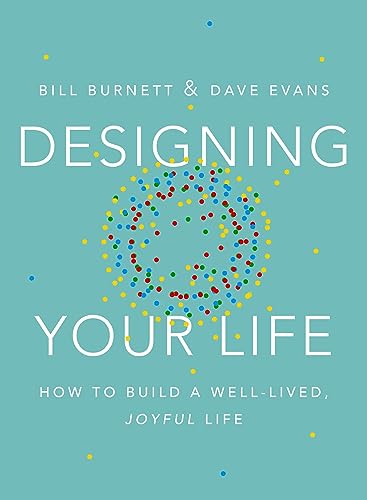
Designing Your Life
Prototype your next chapter instead of planning it. Stanford's most popular class, on paper.
Forum Connection
Burnett and Evans apply design thinking to your own life: you cannot think your way to a next chapter, you prototype it. The Odyssey Plan asks you to draft three different five-year lives — not to choose one, but to see what you keep reaching for across all three. Useful for any member sitting on what next without a way in.
Exercise: Odyssey Plan — draft three different versions of your next five years, and present all three.
↻ flip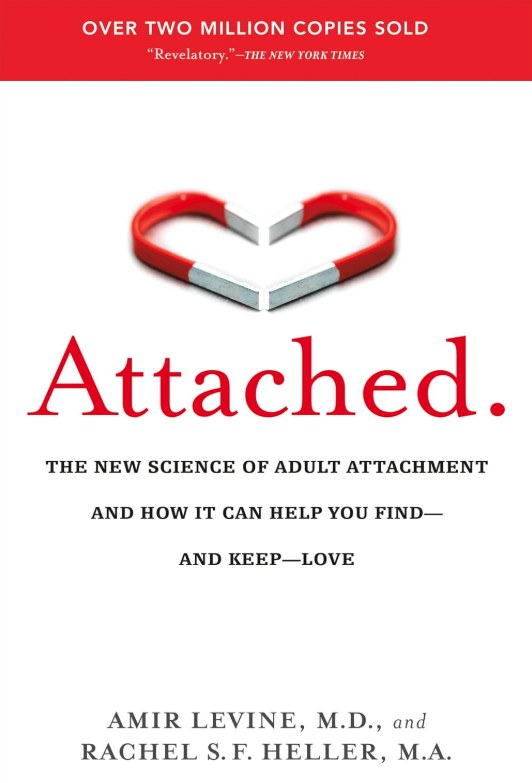
Attached
Why you pursue, withdraw, or go quiet in close relationships — patterns that follow you into the room.
Forum Connection
Levine and Heller take attachment research out of the nursery and into adult life. The three patterns — anxious, avoidant, secure — describe what a person does when closeness is at stake, and they do not stay at home. They shape how you take feedback, how much you disclose, and whether you can let the room sit with you.
Prompt: "When someone close to you goes quiet, what do you assume, and what do you do next?"
↻ flip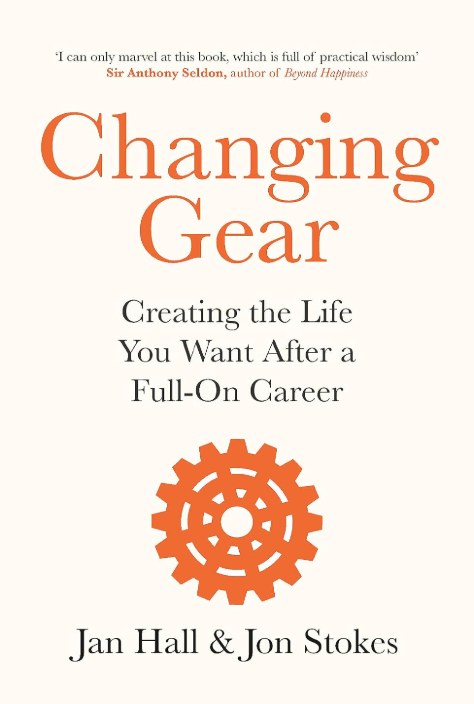
Changing Gear
How to leave a big role without losing yourself. The exit book.
Forum Connection
Hall and Stokes interviewed senior leaders about leaving the big role and found the hard part is rarely money or logistics — it is identity. When the title goes, so does the thing that answered who are you at every dinner party for thirty years. They treat the exit as work in its own right, not a gap between jobs.
Prompt: "If you were not your title, how would you introduce yourself?"
↻ flip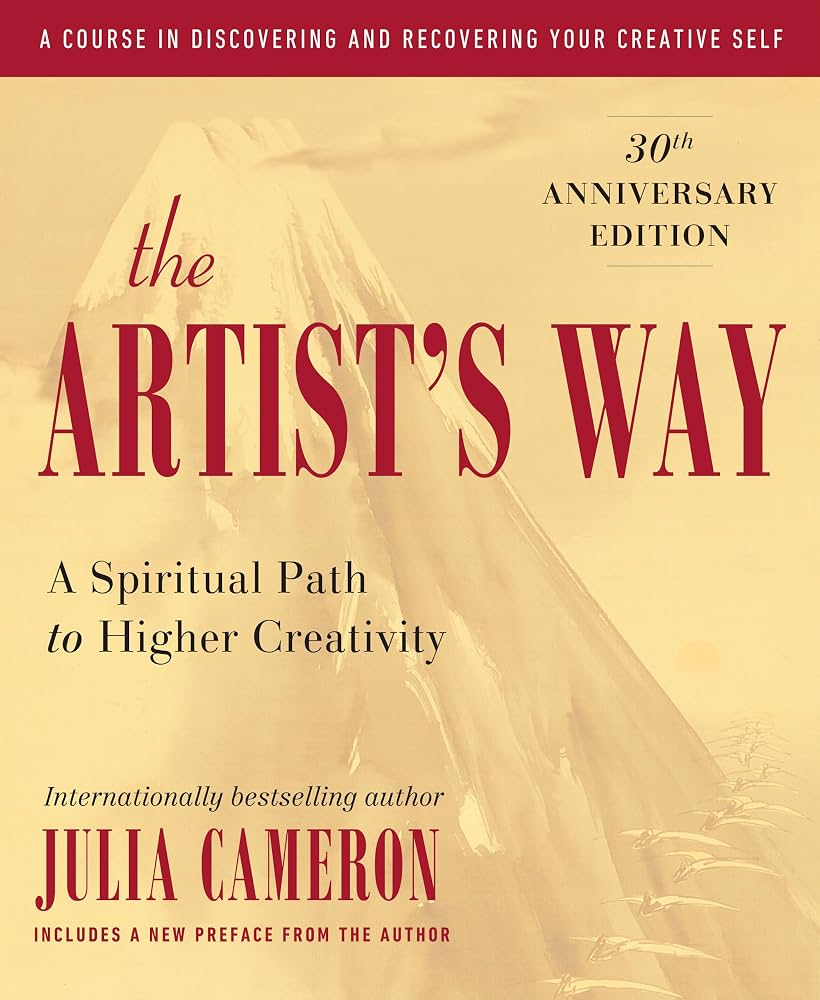
The Artist's Way
Three pages, longhand, every morning before anything else. The practice surfaces what you didn't know you were carrying.
Forum Connection
Morning Pages — three pages longhand, first thing, no editing and no reader — are a thinking practice more than a creative one. What surfaces is usually the thing you have been avoiding naming. Members who keep it up tend to arrive at forum already knowing what they need to present.
Exercise: Morning Pages for two weeks, then bring whatever kept showing up.
↻ flipExercises
Drawn from the Shared HBS Experience
Exercises that mine what every member in the room has in common — the same school, the same anxieties, the same before-and-after. These prompts only work because you all lived it.
Mentorship
Who Mentored Us. Who Do We Mentor.
↻ flip
The Exercise
Who mentored you — effectively or ineffectively — and how did it shape you? Who are your past and present mentees, and what have you learned from being on that side of the relationship? Have you mentored second-year MBA students through HBS Life Connect or similar programs? What does the mentoring you give look like compared to what you received?
June 2024
↻ flipHealth
Navigating the Healthcare System at This Stage
↻ flip
The Exercise
Warning signs you've learned to watch for. Questions you wish you'd asked sooner. Condition-specific knowledge that took you years to accumulate. What has the healthcare system taught you — about navigating it, advocating within it, or caring for someone else inside it? The lessons in this room are more valuable than most people realize.
April 2023
↻ flipCareer
How My First Job Out of HBS Really Turned Out
↻ flip
The Exercise
What do you remember about graduation, that summer, the job you took? How did it really unfold versus what you expected walking out of Baker Library? The gap between the plan and what actually happened is often where the most interesting story lives.
July 2022
↻ flipIdentity
The Burden of the Harvard MBA
↻ flip
The Exercise
When the degree comes up in a new group — do you lead with it or bury it? How do people react when they find out? Have you felt the weight of unrealistic expectations, or noticed people holding back honest feedback because of what's on your résumé? And when you made an inevitable mistake at work, did the degree make it worse?
May 2022 · Credit: Alan Carswell, MBA 1982B
↻ flipCharacter
Something I Did That Took Courage
↻ flip
The Exercise
What did you do that required you to act against fear, against social pressure, against your own comfort — and what did it cost you, and what did it give you? The most powerful answers here are often not the dramatic ones. Quiet courage tends to run deeper than public bravery. What did you learn about yourself on the other side of it?
April 2022
↻ flipHumor
Bloopers
↻ flip
The Exercise
The decision that looked obvious in hindsight. The email you wish you could unsend. The meeting that went sideways in a way you still think about. Bloopers land best when they're specific and told with the distance of time. The group that laughs together at their own failures is a group that trusts each other.
March 2022
↻ flipReflection
What Were We Thinking, Approaching Graduation?
↻ flip
The Exercise
What was your light at the end of the tunnel? Where were you headed geographically, financially, personally? Can you look back now with wisdom rather than regret — and knowing what you know, how might you have decided differently? This one often surfaces the gap between who we thought we were becoming and who we actually became.
February 2022
↻ flipValues
Giving Back — On a Human Scale
↻ flip
The Exercise
Set aside the major philanthropy and the named gifts. What have you done on a smaller, more personal scale — that was meaningful to you and why? The answer says something about what you actually value versus what you think you're supposed to value. Often the smaller acts of giving are the ones that stayed with you longest.
November 2021
↻ flipIdentity
What It Was Like to Be "___" at HBS
↻ flip
The Exercise
Religious affiliation. Nationality. Race or ethnicity. First language. The college you came from. Your pre-HBS work experience. Sexual orientation. Military service. Socioeconomic background. Fill in your blank. Share as lightly or as deeply as you're comfortable. Some stories will be funny. Others will be new to the room — and those are often the ones that matter most.
September 2021
↻ flipChoices
Second Year Choices
↻ flip
The Exercise
What do you remember about choosing your second-year courses, clubs, and direction? What were you optimizing for — and was it the right target? Second year is often where people made their first real choices for themselves, without the safety net of a required curriculum. Do you wish you'd chosen differently? What would you choose now?
August 2021
↻ flipTurning Point
The Summer Between First and Second Year
↻ flip
The Exercise
What did you do that summer, and how did it shape your personal and career path — even if you didn't know it yet? The summer internship, the trip, the relationship, the moment of doubt or clarity. Looking back, was it a confirmation of the direction you were heading, or the first hint that the plan needed to change?
June 2021
↻ flipWisdom
The Gift of a Life Tip
↻ flip
The Exercise
Think of a person who gave you a piece of advice, a tip, or a few words of wisdom that landed differently than advice usually does. Who were they? What did they say? What impact did that gift have — on a decision, a relationship, a way of seeing? The best answers here tend to be specific: the exact words, the exact moment, the exact reason it stuck.
December 2020 · Credit: Bill Novak, MBA 1982B
↻ flipLearning
An MBA Program Lesson That Actually Stuck
↻ flip
The Exercise
How did you apply one lesson or idea from HBS in the real world? What single skill or concept had the greatest impact on your career? What helped or changed you most — not in theory, but in practice? And the honest question underneath all of these: was the money and time worth it?
August 2020 · Credit: Glenn Wattley, MBA 1982B
↻ flipMemory
Your First and Last Day at HBS
↻ flip
The Exercise
What do you remember when you first walked into your classroom? What do you remember from your very last class? And somewhere in between — what memory from first year do you still savor? These aren't trick questions. The answers tend to reveal what mattered, which isn't always what you thought mattered at the time.
July 2020
↻ flipHBS
Authentic Leader Development
↻ flipForum Connection
Not a book but an HBS course worth knowing. Students work in six-person groups, share personal stories, give direct feedback, and develop self-awareness through vulnerability. The format — confidentiality, personal disclosure, peer challenge — resonates deeply with what forums do monthly.
Exercise: Life Story — present the story of your life in 15 minutes. The group asks questions, not to solve, but to understand.
↻ flipCard Decks
Card Decks for Forum
Physical card decks that add energy, depth, and variety to your meetings.
Build your toolkit: one from each category
Reflective · Playful · Values · Strategic — four decks that work together across a year of meetings
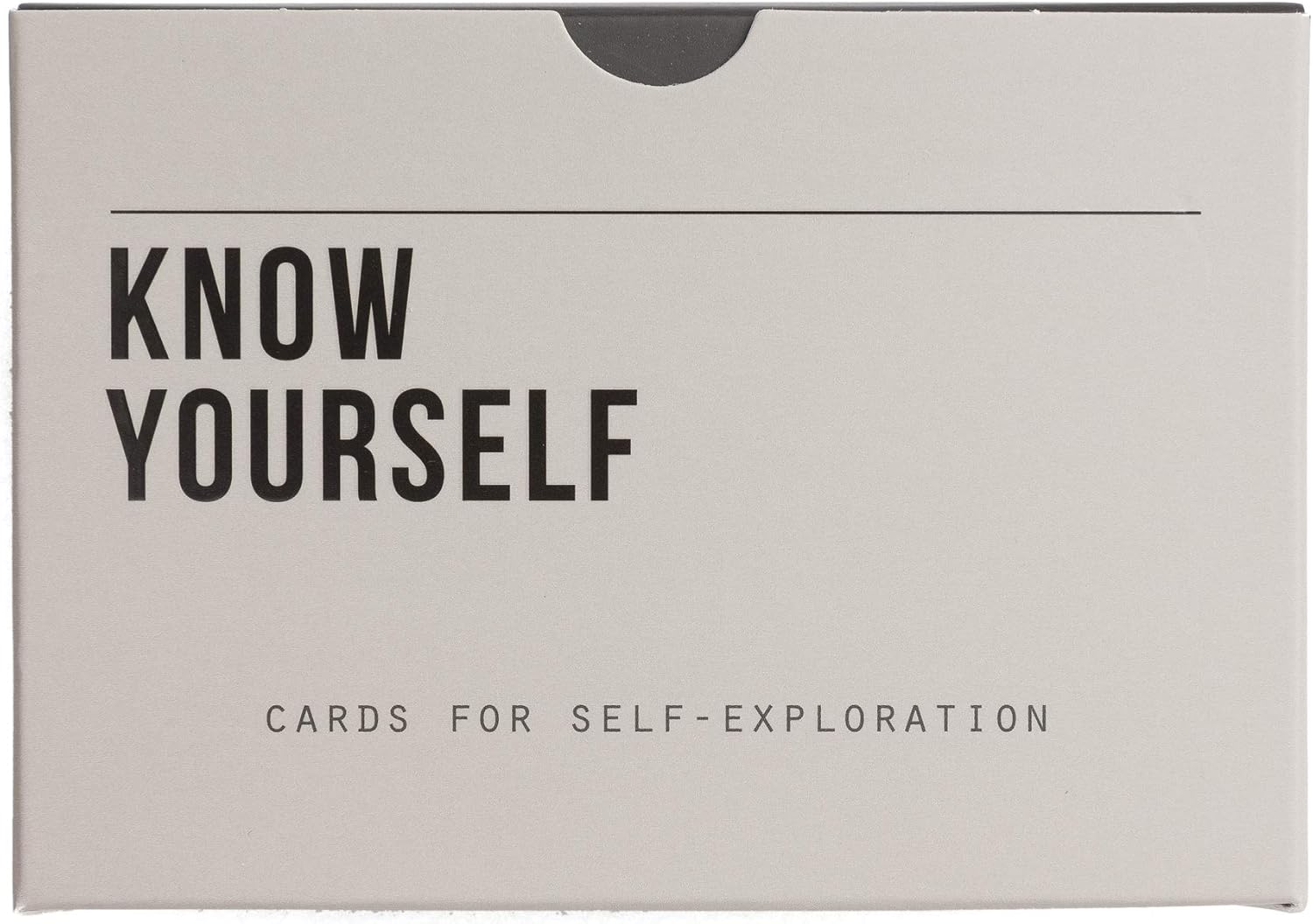 Reflective
Know Yourself Prompt Cards
The School of Life
$17 · 60 cards
↻ flip
Reflective
Know Yourself Prompt Cards
The School of Life
$17 · 60 cards
↻ flip
Sixty cards pairing a self-reflection exercise with a thoughtful psychological analysis — drawing on philosophy, therapy, and emotional intelligence research.
In forum: The dual exercise-and-analysis format gives facilitators a ready-made opener. Intellectual rigor earns trust with high-achievers who resist anything that feels like "therapy lite."
Buy → ↻ flip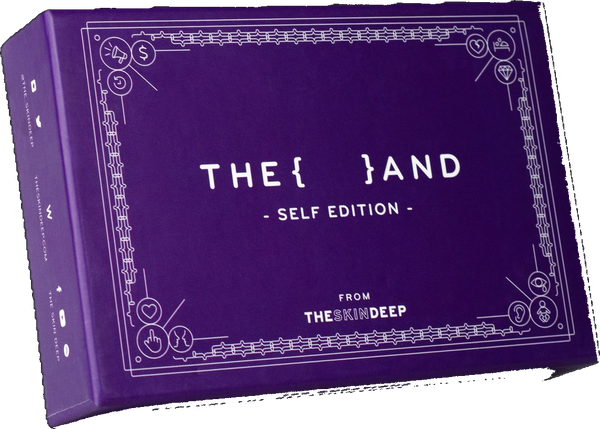 Reflective
{THE AND} Self Edition
The Skin Deep
$22 · 199 cards
↻ flip
Reflective
{THE AND} Self Edition
The Skin Deep
$22 · 199 cards
↻ flip
199 questions drawn from real filmed conversations — an Emmy-winning documentary project capturing people in moments of raw honesty.
In forum: At 199 cards, this deck alone sustains years of monthly meetings. The questions carry authenticity because they emerged from real conversations, not a brainstorming session.
Buy → ↻ flip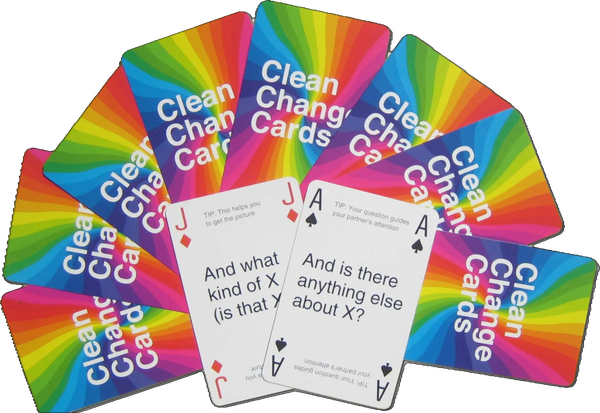 Reflective
Clean Change Cards
Judy Rees & Wendy Sullivan
~$17 · 52 cards
↻ flip
Reflective
Clean Change Cards
Judy Rees & Wendy Sullivan
~$17 · 52 cards
↻ flip
Fifty-two Clean Language questions — an assumption-free coaching methodology that helps people explore their own metaphors and thinking patterns.
In forum: Members take turns being "coached" by the group using these cards, creating structured yet deeply personal exploration. No prior training needed.
Buy → ↻ flip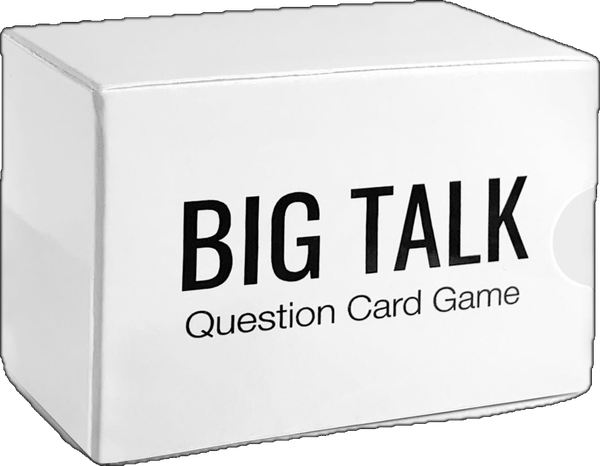 Playful
Big Talk
Kalina Silverman
$20 · 90 cards
↻ flip
Playful
Big Talk
Kalina Silverman
$20 · 90 cards
↻ flip
Purpose-built to skip small talk and spark authentic connection, with graduated depth that lets facilitators calibrate to the group's trust level.
In forum: The graduated depth design is exactly right — pick questions that match whether the group is in month two or month twenty.
Buy → ↻ flip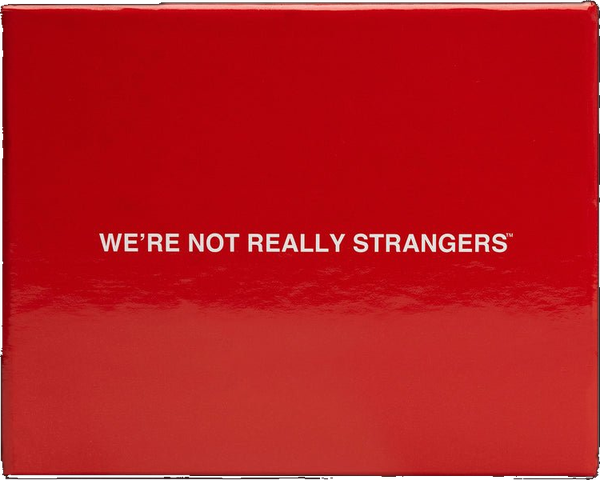 Playful
We're Not Really Strangers
Koreen Odiney
$25 · 150 cards
↻ flip
Playful
We're Not Really Strangers
Koreen Odiney
$25 · 150 cards
↻ flip
Three progressive levels — Perception, Connection, Reflection — that mirror the natural arc of trust-building. Includes "Dig Deeper" overlay cards.
In forum: Start with Level 1 in early meetings, progress to Level 3 as trust deepens. Level 3 asks members to articulate observations about each other.
Buy → ↻ flip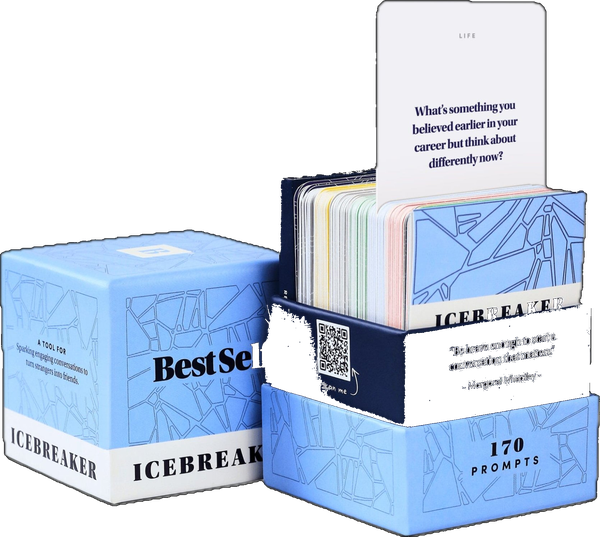 Playful
BestSelf Icebreaker Deck
BestSelf Co.
$27 · 170 cards
↻ flip
Playful
BestSelf Icebreaker Deck
BestSelf Co.
$27 · 170 cards
↻ flip
170 psychology-backed prompts across 7 categories — Past, Random, Life, Relationship, Intimacy, About You, and Reflect & Connect.
In forum: The 7-category system gives facilitators precise control. Start with "Random" for warmth, shift to "Reflect & Connect" for depth. Won't repeat for months.
Buy → ↻ flip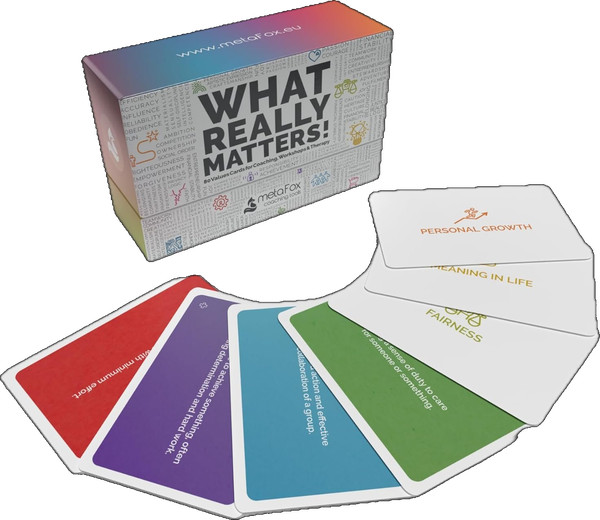 Values
What Really Matters!
metaFox
$30–35 · 80 cards
↻ flip
Values
What Really Matters!
metaFox
$30–35 · 80 cards
↻ flip
Premium coaching-grade values cards rooted in Schwartz's research on basic human values — 9 categories with a facilitation guidebook.
In forum: Members select top values, present to the group, and discuss where values show up (or don't) in daily decisions. The color system enables visual mapping across the whole group.
Buy → ↻ flip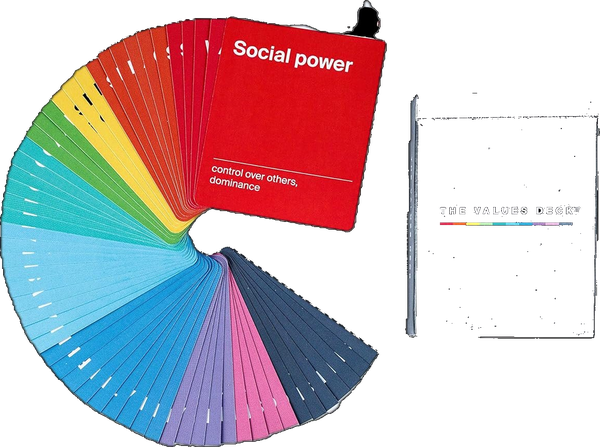 Values
The Values Deck
Discover Your Values
$20 · 60 cards
↻ flip
Values
The Values Deck
Discover Your Values
$20 · 60 cards
↻ flip
A card-sorting game rooted in internationally validated research (200+ studies, 80 countries). Three-step framework: Aware, Affirm, Apply.
In forum: Ideal as an annual planning ritual or new-member onboarding. Reveals why members make certain decisions and where value conflicts create stress.
Buy → ↻ flip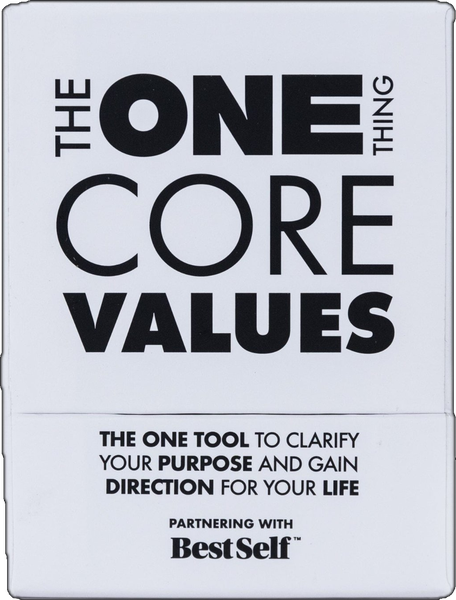 Values
Core Values Deck
BestSelf Co. × The ONE Thing
$25 · 75 cards
↻ flip
Values
Core Values Deck
BestSelf Co. × The ONE Thing
$25 · 75 cards
↻ flip
A guided card-sorting exercise for identifying and prioritizing core values, inspired by Gary Keller's ONE Thing framework. Includes blank cards.
In forum: Members identify top values, share with the group, and use them as an accountability anchor throughout the year. Excellent for kickoffs or retreats.
Buy → ↻ flip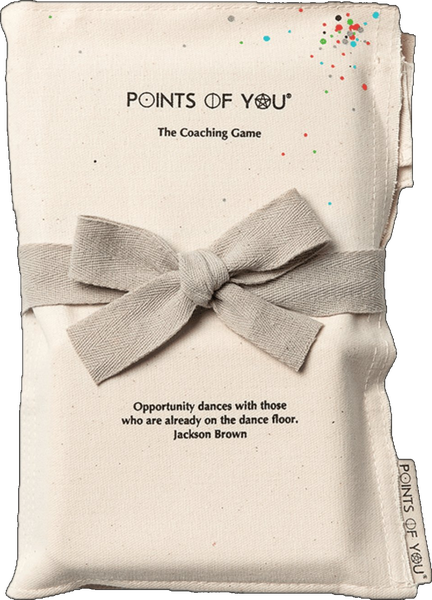 Strategic
The Coaching Game
Points of You®
$149–199 · 65 cards + toolkit
↻ flip
Strategic
The Coaching Game
Points of You®
$149–199 · 65 cards + toolkit
↻ flip
A professional-grade executive coaching tool using evocative photographs paired with one-word life themes. Used by 50,000+ coaches worldwide.
In forum: The image-based approach bypasses intellectual defenses quickly. Included process maps provide built-in facilitation structure for leadership dilemmas and career crossroads.
Buy → ↻ flip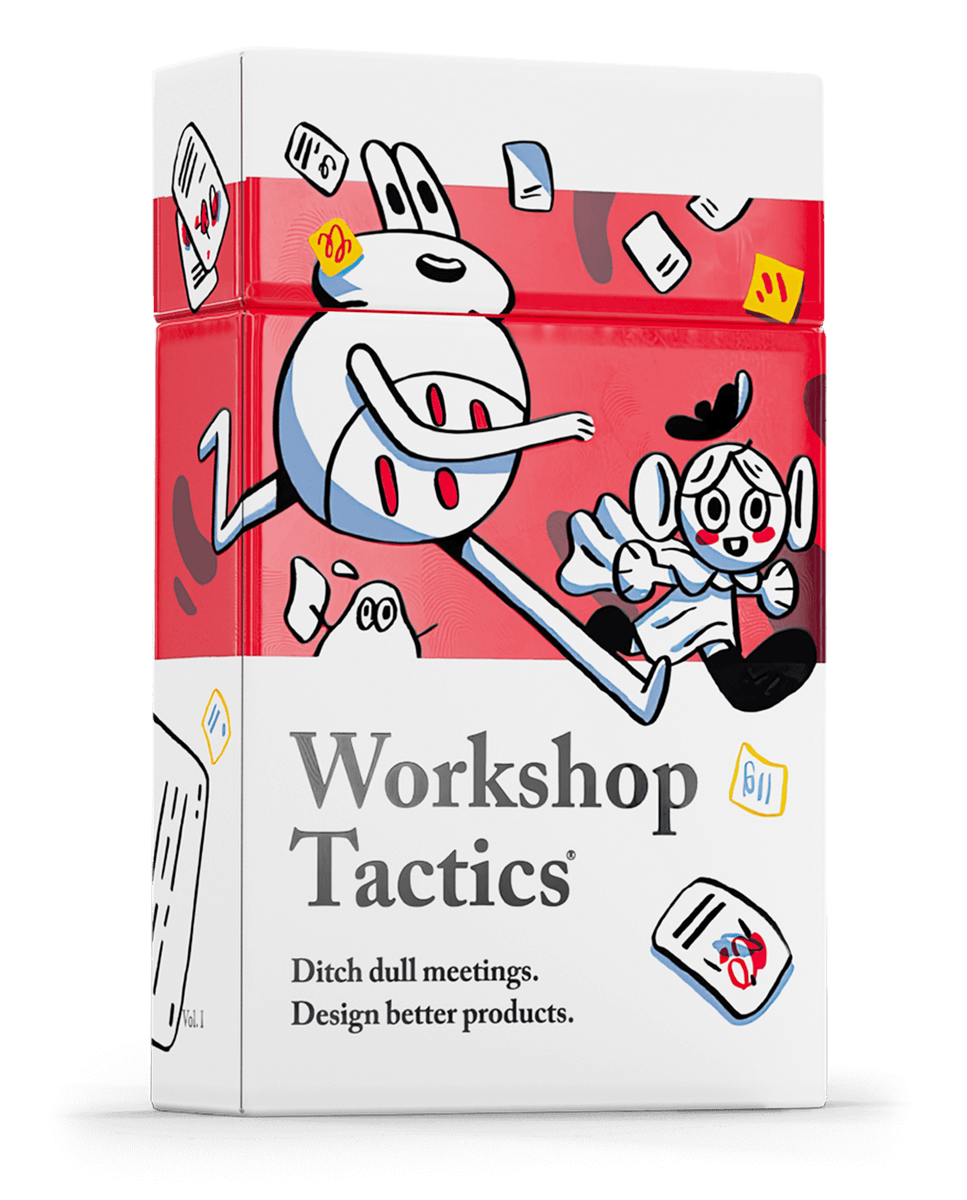 Strategic
Workshop Tactics
Pip Decks
$29–39 · 54 cards
↻ flip
Strategic
Workshop Tactics
Pip Decks
$29–39 · 54 cards
↻ flip
Fifty-four proven facilitation exercises — each on one card with step-by-step instructions. Used by teams at Google, Microsoft, and Apple.
In forum: The ultimate "facilitation toolkit in your pocket" for moderators. Each meeting, select the tactic that fits. Eliminates the blank-page problem of designing sessions.
Buy → ↻ flip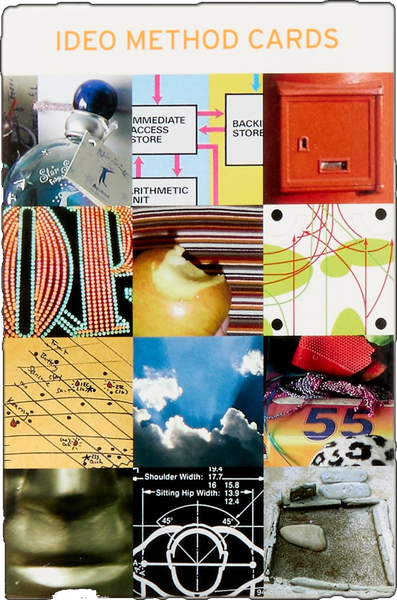 Strategic
IDEO Method Cards
IDEO
$49 · 51 cards
↻ flip
Strategic
IDEO Method Cards
IDEO
$49 · 51 cards
↻ flip
Fifty-one human-centered design methods from IDEO's real project work — organized into Ask, Watch, Learn, and Try.
In forum: When a member presents a challenge, the group draws a method card that reframes the entire problem. Forces lateral thinking — invaluable for founders stuck in conventional frameworks.
Buy → ↻ flipForum Sage
Forum Sage
An AI assistant trained on forum best practices. Ask it anything about running your group.
Forum Sage knows the methodology, the frameworks, the hard moments, and the moves that work. Ask it about a difficult member, a meeting that went flat, a presentation you don't know how to hold.
Forum Sage is an AI assistant — it's knowledgeable about forum methodology but it will occasionally make mistakes or miss nuance that a human facilitator would catch.
For guidance on what to share and what to keep general, read the Forum Sage guide. For a deeper look at privacy, read the privacy deep dive.
Prefer a real conversation? Get in touch →
Try asking: